Dominican Republic: beaches, culture & travel tips

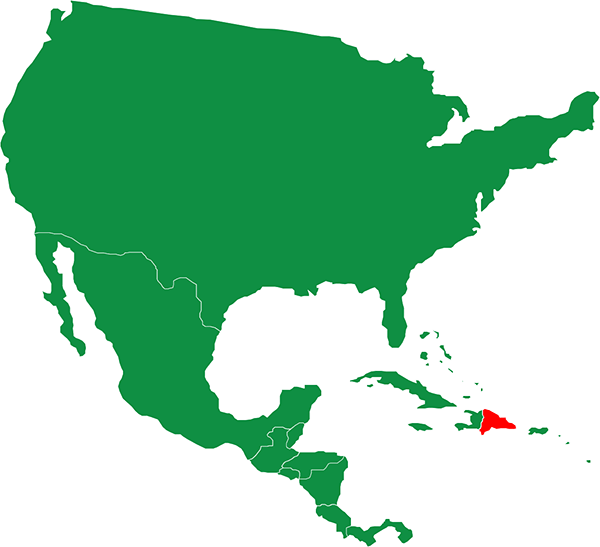
The Dominican Republic is an island nation in the Caribbean and is located on the eastern half of the island of Hispaniola, which it shares with neighboring Haiti. The country has a population of about 11 million people and the official language is Spanish. The Dominican Republic is known for its beautiful beaches, crystal clear waters, lush nature and rich culture.

The capital, Santo Domingo, is the largest city in the country and an important cultural and economic center. It is home to many historical sites, including the oldest cathedral, the first castle and the oldest urban monument in the New World. The Dominican Republic is also known for its music and dance styles, such as merengue and bachata.

The country's economy is mainly based on tourism, agriculture and the textile industry. The Dominican Republic is a popular destination for tourists from all over the world who want to enjoy the beaches, warm weather and friendly people. The country's landscape also offers an abundance of opportunities for outdoor activities, such as hiking, horseback riding, scuba diving and much more.

Discover the most beautiful sights of the Dominican Republic

The Dominican Republic has many interesting places to offer, ranging from historical sites to natural parks and beautiful beaches. Here are some of the most famous and interesting places in the country:

  1. Santo Domingo: the capital of the Dominican Republic is known for its well-preserved historical sites such as the Cathedral of Santa Maria la Menor, the Alcázar de Colón and the old town, which has been declared a UNESCO World Heritage Site.

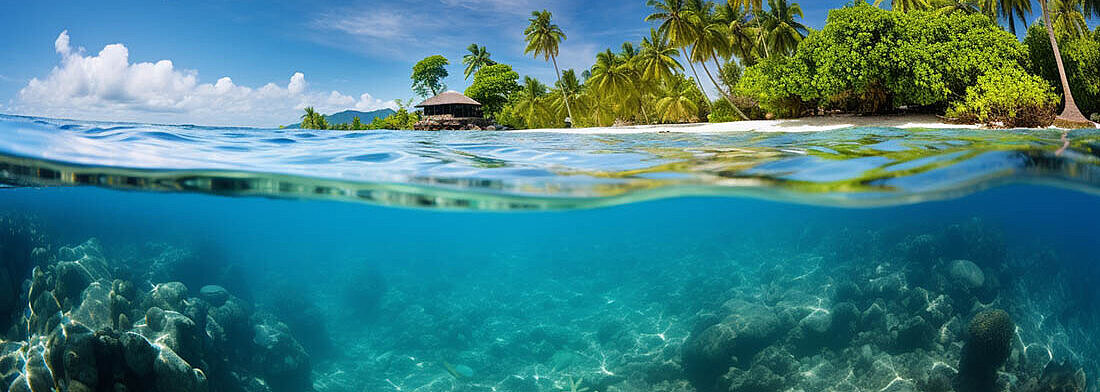
  2. Punta Cana: A popular tourist destination on the east coast with miles of white sand beaches that are among the most beautiful in the world, the most famous being Playa Bavaro, a mile-long white sand beach lined with coconut palms. crystal clear waters and luxury resorts.

  3. Jarabacoa: A picturesque mountain village known as the "Alps of the Caribbean" that offers numerous outdoor activities such as hiking, rafting and rock climbing.

  4. Los Haitises National Park: A vast natural park with mangrove forests, caves, hidden coves and pristine beaches. Here you can also discover prehistoric petroglyphs.

  5. Samaná: A picturesque peninsula on the northeast coast with stunning beaches, waterfalls and a large number of whale watching sites.

  6. Altos de Chavón: An artificial medieval village with impressive views of the Chavón River and the surrounding countryside.

  7. Cabarete: A paradise for surfers and kitesurfers, known for its strong winds and waves.

  8. La Romana: A town in the southeast of the Dominican Republic known for its luxurious Casa de Campo residence and the Altos de Chavón.

These places are just a small selection of the many interesting places that the Dominican Republic has to offer.

Location

The Dominican Republic is located on the eastern half of the island of Hispaniola, which it shares with neighboring Haiti. The island of Hispaniola is the second largest island in the Caribbean and is located between Cuba to the west and Puerto Rico to the east. The Dominican Republic has a total area of about 48,671 square kilometers and borders the Atlantic Ocean to the north, the Caribbean Sea to the south, the Mona Passage to the east and Haiti to the west. The capital, Santo Domingo, is located on the southern coast of the country and is the largest city in the country. The Dominican Republic has a population of about 11 million people and is one of the most popular tourist destinations in the Caribbean.

 Entry

German citizens do not need a visa for a single entry and a stay of up to 30 days. Further information under the Foreign Office

Visa application:

e-Visa

Security:

Low      High

Health and Vaccinations

There are no mandatory vaccinations for entry into Jamaica. However, some vaccinations are recommended by health authorities, including hepatitis A and B, tetanus, diphtheria, polio and measles. You should also make sure to protect yourself from mosquitoes, as there are cases of dengue fever and chikungunya in Jamaica.

Mobility

Public transport:

Price:
cheap expensive
from approx. 0.20 €

Offer:
low high
Long-distance buses

Safety:
low high

Cab:

Price:
cheap expensive
From about 2€ but varies by region.

Offer:
low high

Security:
low high

Rental car:

We do not recommend due to safety on the roads.

More info

Official language: Spanish

Population: approx. 10.88 million (2025)

Currency: Dominican peso (DOP)

Capital: Santo Domingo

Largest airports: Punta Cana International Airport (PUJ)

Time difference: German winter time -5 hours / summer time -6 hours

Holidays: New Year's Day, Epiphany, Mary Full of Grace, Juan Pablo Duarte Memorial Day, Independence Day, Good Friday, Labor Day, Corpus Christi, Restoration Day, Virgin Mary Day, Constitution Day, Christmas Day


Climate

Climate: Tropical, humid

Best time to visit: November to April

Rainy season: May to October

The Dominican Republic has a tropical climate with an average annual temperature of about 25 to 28 degrees Celsius. The climate is influenced by the northeast trade winds that blow throughout the year. The rainy season lasts from May to October, while the dry season is from November to April.

Temperatures are somewhat milder in the northern areas of the Dominican Republic, while it is hotter and more humid in the coastal areas. The higher mountain ranges inland offer cooler weather and are a popular destination for hikers and nature lovers.

During the rainy season, severe tropical storms and hurricanes can occasionally hit the island. The best time to visit the Dominican Republic is from November to April, when the weather is driest and most pleasant. However, prices for accommodations and activities are often higher during this time, as it is the high season.

Santo Domingo

Jan Feb Mar Apr May Jun Jul Aug Sep Oct Nov Dec
ø. Temperature (°C) 23 24 24 25 26 26 26 26 26 26 25 24
Min. temperature (°C) 20 20 21 22 23 23 23 24 24 23 22 21
Max. Temperature (°C) 27 28 29 29 29 30 30 30 30 29 28 28
Precipitation (mm) 41 37 45 71 131 121 120 137 129 134 80 49
Humidity(%) 76 73 71 74 78 80 79 80 82 83 80 78
Rainy days (dg.) 11 10 10 13 17 17 17 17 16 17 13 10
Sunshine hours (hrs.) 8 8 8 9 9 9 9 9 9 8 8 8
Water temperature (°C) 27 26 26 27 27 27 28 28 28 28 27 27

Culinary delights in the Dominican Republic

Dominican cuisine is a melting pot of cultures and offers a variety of delicious dishes that you must try.

La Bandera

La Bandera, the national dish of the Dominican Republic, consists of rice, red beans and meat, often accompanied by salad or cooked vegetables. It's simple, but incredibly delicious.

Sancocho

Sancocho is a rich stew made with various meats and root vegetables. It is a typical dish for special occasions and is considered the ultimate comfort food.

Tostones

Tostones, also known as patacones, are double fried slices of plantain. They are crispy, salty and the perfect accompaniment to almost any dish.

Mamajuana

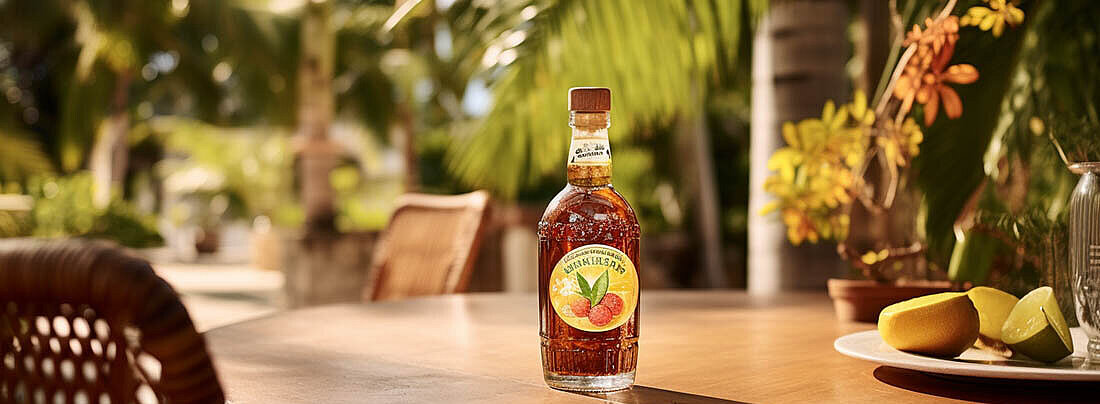
Mamajuana is a traditional Dominican liquor made from rum, red wine and honey, with various herbs and spices added. It is said to have healing properties, but beware, it is quite strong!

Accommodation in the Dominican Republic: from luxury resorts to charming guesthouses

In the Dominican Republic you will find a wide selection of accommodations to suit your needs and budget.

All-Inclusive Resorts

The Dominican Republic is known for its all-inclusive resorts, especially in Punta Cana and Puerto Plata. These resorts offer a wide range of amenities, including restaurants, bars, water sports activities and entertainment programs.

Boutique Hotels

If you're looking for something unique, a boutique hotel might be right for you. Places like the Billini Hotel in Santo Domingo or Casa Veintiuno in Sosúa offer a more personal atmosphere and unique design.

Bed & Breakfasts and Guesthouses

For travelers who want to experience Dominican culture firsthand, a bed & breakfast or guesthouse is the best choice. They are often family owned and offer a personal and authentic experience.

Insider tips for your trip to the Dominican Republic

Off the beaten path, there are many insider tips waiting to be discovered in the Dominican Republic.

The Salto El Limon Waterfalls

The Salto El Limón waterfalls on the Samaná Peninsula are an absolute must-see. After a scenic hike through the jungle, you'll be rewarded with a refreshing swim under the 52-meter waterfall.

The cable car of Puerto Plata

The Puerto Plata cable car takes you to the top of Mount Isabel de Torres. At the top, not only a huge statue of Christ, similar to the one in Rio de Janeiro, awaits you, but also a botanical garden and a breathtaking view of the city and the sea.

The Playa Rincon

Playa Rincón is a real insider tip. This secluded beach on the Samaná Peninsula is lined with coconut trees and offers crystal clear waters - the perfect place to relax.

The Carnival Festival in La Vega

If you're in the Dominican Republic in February, don't miss the Carnival Festival in La Vega. It is the largest and most colorful carnival festival in the country and a great way to experience Dominican culture.

FAQ - Dominican Republic

Die optimale Reisezeit für die Dominikanische Republik variiert je nach Region und gewünschten Aktivitäten. Im Allgemeinen sind die Monate Dezember bis April am beliebtesten, da das Wetter trocken und sonnig ist, ideal für Strandurlaube und Outdoor-Aktivitäten.

Deutsche Staatsangehörige können für touristische Aufenthalte bis zu 30 Tagen visumfrei in die Dominikanische Republik einreisen. Es wird jedoch bei der Einreise eine Touristenkarte benötigt, die gegen Gebühr erhältlich ist.

Für die Einreise in die Dominikanische Republik sind keine speziellen Impfungen vorgeschrieben. Allerdings wird empfohlen, die Standardimpfungen gemäß aktuellem Impfkalender des Robert-Koch-Instituts für Kinder und Erwachsene anlässlich einer Reise zu überprüfen und zu vervollständigen.

Zu den Highlights der Dominikanischen Republik gehören unter anderem die historische Altstadt von Santo Domingo, die wunderschönen Strände von Punta Cana, der Nationalpark Los Haitises und der beeindruckende Pico Duarte.

Die Dominikanische Republik bietet eine Vielzahl atemberaubender Orte, die für ihre Schönheit bekannt sind. Hier sind einige der beliebtesten Ziele:

  1. Punta Cana: Bekannt für seine traumhaften Strände, türkisfarbenes Wasser und luxuriöse Resorts ist Punta Cana eines der beliebtesten Urlaubsziele in der Dominikanischen Republik.

  2. Puerto Plata: Diese Region im Norden der Insel begeistert mit wunderschönen Sandstränden und einer beeindruckenden Berglandschaft. Hier können Sie auch das historische Zentrum der Stadt erkunden.

  3. Samaná: Diese Küstenregion bietet eine spektakuläre natürliche Schönheit, einschließlich wunderschöner Strände, atemberaubender Wasserfälle und einer beeindruckenden Walbeobachtungssaison von Januar bis März.

  4. Las Terrenas: Ein charmantes Küstendorf an der Nordküste mit traumhaften Stränden, entspannter Atmosphäre und einer lebendigen Kultur.

  5. La Romana: Diese Region bietet sowohl wunderschöne Strände als auch faszinierende kulturelle Sehenswürdigkeiten, darunter die beeindruckende Altstadt von Santo Domingo, die zum UNESCO-Weltkulturerbe gehört.

Es ist wichtig zu beachten, dass die "Schönheit" eines Ortes subjektiv ist und von individuellen Vorlieben abhängt. Jeder dieser Orte hat seinen eigenen einzigartigen Charme und bietet verschiedene Aktivitäten und Attraktionen. Es lohnt sich, die verschiedenen Regionen der Dominikanischen Republik zu erkunden und je nach persönlichen Interessen und Vorlieben einen Ort auszuwählen.


Die offizielle Währung der Dominikanischen Republik ist der Dominikanische Peso (DOP). Kreditkarten werden in den meisten Hotels, Restaurants und Geschäften akzeptiert. Es ist empfehlenswert, auch immer etwas Bargeld dabei zu haben.

Spanisch ist die Amtssprache in der Dominikanischen Republik. In Touristengebieten und Hotels sprechen viele Mitarbeiter jedoch auch Englisch. Ein paar Grundkenntnisse in Spanisch können jedoch sehr hilfreich sein, insbesondere abseits der Touristenzentren.

Die Sicherheit in der Dominikanischen Republik variiert je nach Region und individueller Situation. Es gibt eine erhöhte Kriminalitätsrate, insbesondere in städtischen Gebieten und touristischen Zentren, Touristen können Ziel von Gewaltverbrechen oder Raubüberfällen werden, oft durch bewaffnete Täter auf Motorrädern. Kriminalität im Zusammenhang mit Prostitution und Drogenhandel ist ebenfalls ein Problem. Besucher könnten unwissentlich als Drogenschmuggler benutzt werden und bei Entdeckung strenge Strafen erleben. Gewaltverbrechen, insbesondere gegen Frauen, werden in der Dominikanischen Republik streng geahndet.

Für eine sicherere Reise wird geraten, öffentliches Telefonieren zu vermeiden und kein auffälliges Eigentum wie Rucksäcke, Handtaschen oder Schmuck zu tragen. Wertsachen sollten verdeckt getragen und Geldbeträge im notwendigen Umfang mitgeführt werden. In unsicheren Gegenden wird empfohlen, ortskundige Begleitung zu haben, und Geldautomaten sollten nur in geschützten Räumen genutzt werden. Bei Meinungsverschiedenheiten ist ein ruhiges Auftreten zu wahren, und Ausflüge sollten nur mit renommierten Tourismusunternehmen mit Versicherungsschutz unternommen werden. Jeder sollte den Inhalt seines eigenen Gepäcks genau kontrollieren und kein Gepäck für Fremde mitnehmen.

Die Flugdauer von Deutschland in die Dominikanische Republik variiert je nach Abflugort und gewählter Flugroute. Im Durchschnitt beträgt die Flugzeit zwischen 9 und 11 Stunden. Direktflüge von deutschen Flughäfen, wie Frankfurt oder München, nach Punta Cana oder Santo Domingo sind üblicherweise die schnellste Option.