
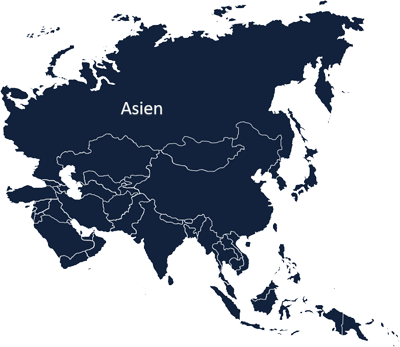
Asia
Asia is the world’s largest continent and accounts for about one-third of the Earth’s land mass. It stretches from Europe in the west to the Pacific Ocean in the east and from the Arctic in the north to the equator in the south.
Asia is a diverse region with many different cultures, languages, and religions. It is home to some of the world’s oldest civilizations, such as China, India, Mesopotamia, and Persia. This region also has a rich history of trade, migration, and cultural exchange.
Asia boasts impressive geographical diversity, ranging from the snow-capped peaks of the Himalayas in the north to the tropical rainforests of Southeast Asia in the south. The landscapes range from arid deserts to lush river valleys and from volcanic islands to vast steppes.
Asia is also home to a large number of animal species, including tigers, elephants, bears, monkeys, and reptiles. Some parts of Asia also have a rich marine fauna, including sharks, dolphins, and whales.
Asia has a rapidly growing economy and is home to some of the world’s largest cities, such as Tokyo, Mumbai, and Shanghai. It also has a rich artistic and literary tradition, ranging from ancient epic poems like the Ramayana and the Iliad to modern Japanese manga culture.
Other Attractions in Asia
Asia is a continent with a rich history, diverse cultures, breathtaking landscapes, and fascinating sights. Here are some of the highlights you can experience in Asia:
-
The Great Wall of China: The Great Wall of China is one of the world’s most famous landmarks. Stretching over 21,000 kilometers, the wall was built in the 7th century B.C. to protect China from invaders. A walk along the Wall offers spectacular views of the surrounding landscape.
-
Taj Mahal: The Taj Mahal in India is one of the world’s most famous structures and is a UNESCO World Heritage Site. The mausoleum was built in the 17th century by the Mughal Emperor Shah Jahan for his late wife Mumtaz Mahal and is a masterpiece of architecture and design.
-
Angkor Wat: Angkor Wat in Cambodia is one of the largest temple complexes in the world and was built in the 12th century. The temple ruins cover an area of 400 square kilometers and offer a glimpse into the history and culture of the Khmer Empire.
-
Tokyo: Tokyo is one of the world’s largest cities and offers a fascinating blend of tradition and modernity. The city is known for its technology, cuisine, and unique culture. Among its most famous landmarks are Tokyo Tower, the Imperial Palace, and Sensoji Temple.
-
Bali: Bali is an island in Indonesia and a popular destination for beach lovers and adventurers. The island offers breathtaking landscapes, ranging from volcanoes and rainforests to white-sand beaches and turquoise waters. Bali’s culture is also fascinating, featuring traditional dances, handicrafts, and Hindu temples.
-
The Forbidden City: The Forbidden City in Beijing, China, is a vast palace complex built in the 15th century that served as the seat of the Chinese emperors until 1912. The city is a masterpiece of architecture and design and offers insights into China’s rich history.
-
Mount Everest: Mount Everest in Nepal is the highest mountain in the world and a popular destination for climbers and adventurers. Climbing the mountain is a demanding and dangerous challenge, but it also offers an unforgettable experience.
These highlights are just a small glimpse of what Asia has to offer. There are many more sights and activities worth exploring.
History
Asian history has been shaped by large empires and highly developed cultures. Many major inventions and achievements originated in China, including paper, printing, the compass, silk and porcelain.
Buddhism has played an important role in many parts of Asia. Large areas of northern Asia, particularly Siberia, remained sparsely populated for a long time before larger cities developed during the Russian Empire.
Central Asia was traditionally home to nomadic steppe peoples, including the Mongols.
Western Asia has been strongly shaped by Islam and by centuries of cultural and economic exchange with neighbouring regions.
Countries
- Afghanistan
- Armenia
- Azerbaijan
- Bahrain
- Bangladesh
- Bhutan
- Brunei Darussalam
- China
- Georgia
- India
- Indonesia
- Iraq
- Iran
- Israel
- Japan
- Yemen
- Jordan
- Cambodia
- Kazakhstan
- Qatar
- Kyrgyzstan
- North Korea
- South Korea
- Kuwait
- Laos
- Lebanon
- Malaysia
- Maldives
- Mongolia
- Myanmar
- Nepal
- Oman
- Pakistan
- Philippines
- Saudi Arabia
- Singapore
- Sri Lanka
- Syria
- Tajikistan
- Taiwan
- Thailand
- Timor-Leste (East Timor)
- Turkey
- Turkmenistan
- Uzbekistan
- United Arab Emirates
- Vietnam